
Get Your Instant Quote Now!
Get Started
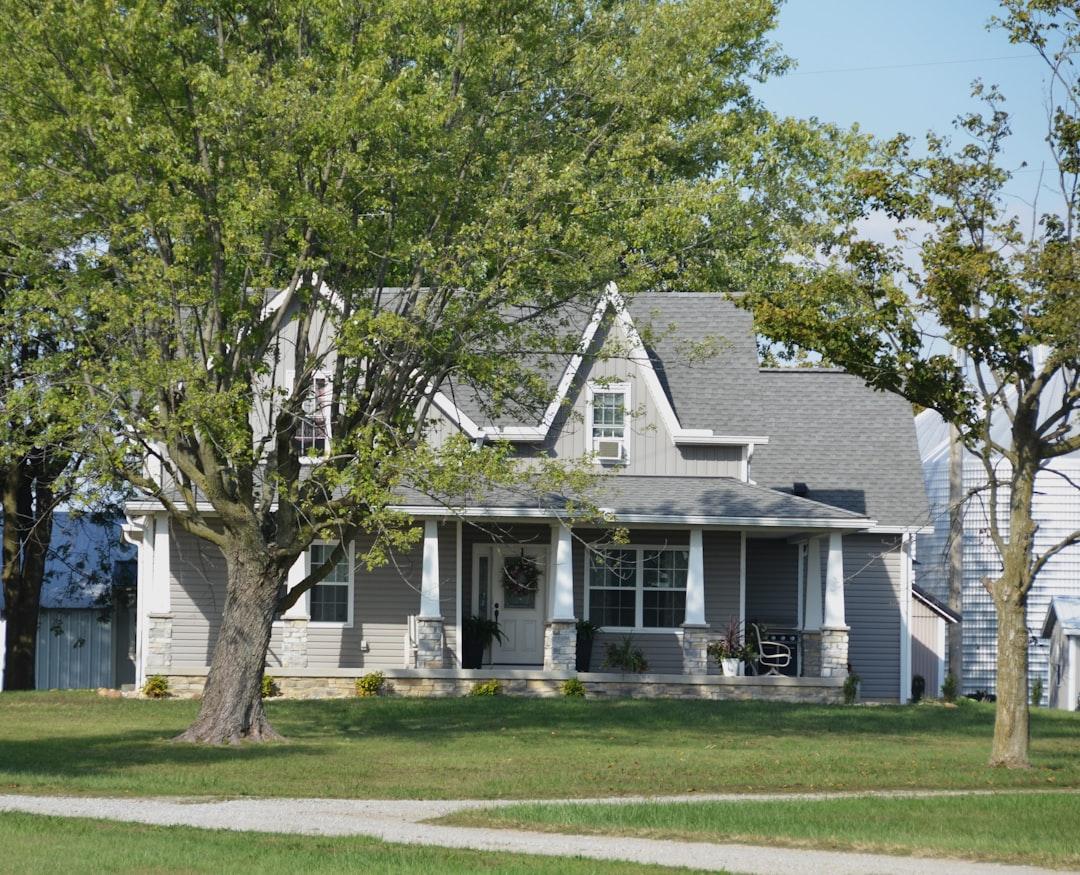
Exterior house siding is the protective material covering the outside walls of your home — and choosing the right type is one of the most important decisions you'll make as a homeowner.
Here's a quick look at the most common siding options to help you compare at a glance:
Siding Type Cost per Sq Ft Lifespan Maintenance Level Vinyl $3–$12 20–40 years Low Fiber Cement $5–$14 50+ years Low–Medium Engineered Wood $4–$10 20–30 years Medium Stucco $6–$9 50–100 years Medium Natural Wood $1–$15 10–20 years High Aluminum $3–$6 15–40 years Low–Medium
Good siding does a lot more than make your home look great. It shields your walls from wind, rain, and heat. It helps regulate indoor temperature. And it protects the structural integrity of your home for decades.
Get it wrong, and you're looking at water damage, mold, pest intrusion, and sky-high energy bills.
For Metro Atlanta homeowners, the stakes are especially high. The combination of summer heat, humidity, and storm season puts real stress on exterior materials. Not every siding type holds up equally well in Georgia's climate — and not every contractor installs it correctly.
This guide breaks down everything you need to know: materials, costs, climate performance, installation, and how to find a contractor you can actually trust.
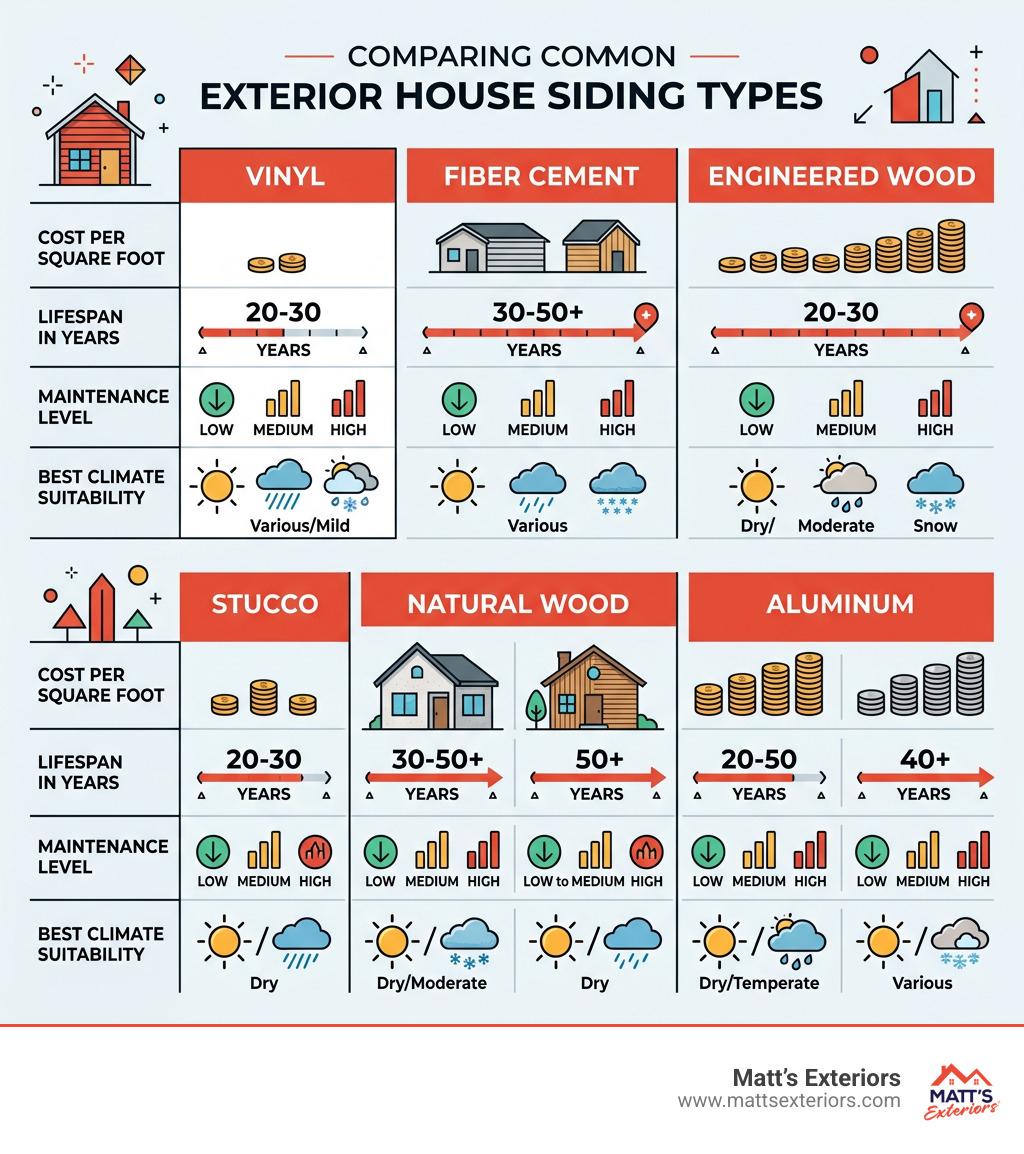
When we talk about exterior house siding, we aren't just talking about a "pretty face" for your home. Siding is your home’s "skin" or "bark," acting as the primary barrier against the elements. According to the National Association of Home Builders (NAHB), vinyl remains a powerhouse, used in over 25% of single-family homes, while stucco is a close second at over 26% nationally.
Choosing the right material involves balancing aesthetics, durability, and your long-term maintenance budget. Whether you are looking for Siding Services to refresh a classic ranch in Marietta or a modern build in Alpharetta, understanding these materials is the first step.
Vinyl is the "crowd favorite" for a reason. It is incredibly affordable and comes in an almost infinite array of colors and profiles, from standard horizontal laps to shingles that mimic cedar. One of the biggest draws for busy homeowners in areas like Kennesaw or Woodstock is that it never needs to be painted.
Modern vinyl has come a long way from the plastic-looking panels of the 1970s. High-quality vinyl now features deeper wood grain textures and improved UV resistance. When choosing an installer, we recommend looking for those familiar with Polymerics Exterior Products Association (PEPA) certification info, which ensures the contractor follows industry-standard best practices for wind resistance and thermal expansion.
If you want a "set it and forget it" material that looks like high-end wood but performs like masonry, fiber cement is the answer. Brands like James Hardie have revolutionized this space. Fiber cement is made from a blend of cellulose fibers, sand, and Portland cement, making it non-combustible.
This material offers exceptional impact resistance research, which is vital during Georgia’s spring storm season when hail and flying debris are common. It’s also rot-resistant and unappealing to termites—a major plus for Metro Atlanta homes. With a lifespan of 50+ years, it offers some of the best long-term value in the industry.
For many, nothing beats the authentic look of natural wood. Cedar shakes and shingles provide a timeless, rustic charm often seen in North Georgia cabins or historic homes in Roswell. However, natural wood requires significant upkeep, including staining or painting every few years to prevent rot.
This is where engineered wood, such as LP SmartSide, shines. It bridges the gap by using wood strands treated with zinc borate (a natural mineral that resists termites and fungal decay) and bonded with high-performance resins. When looking at engineered wood vs traditional wood performance, engineered options typically offer much better moisture resistance and come with impressive 50-year warranties, giving you the wood look without the wood "headache."
Replacing your exterior house siding is a significant investment, but it’s also one of the highest-ROI home improvement projects you can undertake. It instantly boosts curb appeal and can significantly increase your home’s resale value.
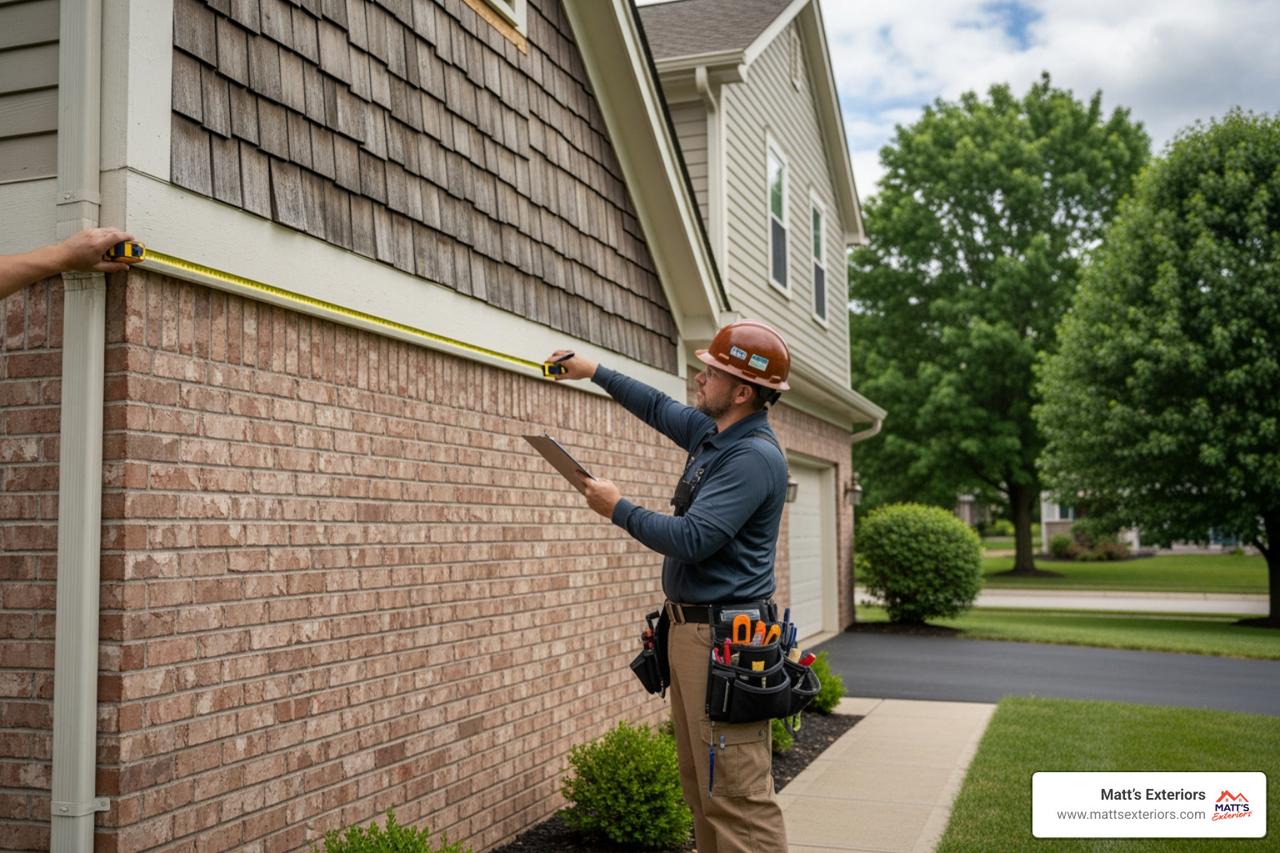
Budgeting for siding isn't just about the price of the boards. You have to account for labor, trim, housewrap, and the removal of the old material. According to Angi data on siding replacement costs, the average project costs around $11,503, though large-scale replacements can reach over $17,000.
Estimated costs for siding replacement suggest that homeowners should also budget for "unforeseen" repairs. Once the old siding is removed, we often find rotted sheathing or water damage that must be fixed before the new siding goes on. Removal fees typically range from $0.70 to $2.00 per square foot, depending on the complexity of the disposal.
Every material has a different "to-do" list.
Regular inspections are key. Catching a small leak around a window today can save you from a $5,000 structural repair three years from now.
In the Metro Atlanta area—from the busy streets of Buckhead to the quiet corners of Senoia—your siding has to work hard. It’s not just about keeping the rain out; it’s about keeping the heat in during the winter and the humidity out during the summer.
Georgia is famous for its "four seasons in one week" weather. We deal with intense UV rays, high humidity, and sudden, violent thunderstorms. For areas like Concord, GA, where the summer sun can be brutal, choosing a material with high heat resistance is vital.
Fiber cement is excellent here because it doesn't expand and contract as much as vinyl, meaning your caulking stays intact longer. If your siding has been damaged by a storm, it’s often a good time to look at a Roof Replacement as well, ensuring your entire home envelope is secure.
Standard siding has a very low R-value (a measure of thermal resistance). However, insulated vinyl siding—which features a rigid foam backing—can have an R-value as high as 3.96. That is triple the R-value of other cladding materials.
According to the Department of Energy guide on home energy efficiency, adding insulation to your exterior walls reduces "thermal bridging." This is when heat escapes through the wooden studs of your house. Insulated siding acts like a blanket for your home, potentially lowering your energy bills by up to 20% and making your living room much more comfortable during a July heatwave.
Even the most expensive exterior house siding will fail if it is installed poorly. Siding installation is a precision job that requires more than just a hammer and nails.
When you’re looking for someone to handle your home in Cumming or Peachtree City, don’t just go with the lowest bid. Look for a company with deep local roots and a proven track record.
Proper installation also includes a high-quality housewrap (like Tyvek) and proper flashing around windows and doors to ensure water is always directed away from your home's structure.
Masonry materials like brick and stone can last 100 years or more. For traditional siding, fiber cement and high-end metal (like steel) are the winners, often lasting 50+ years with minimal maintenance.
For a typical 2,000-square-foot home, you can expect to pay between $10,000 and $25,000. Vinyl will be on the lower end, while fiber cement or stone veneer will be on the higher end. Factors like the number of stories and the complexity of your home's architecture will also impact the price.
While it is technically possible to install vinyl over old wood siding, we almost never recommend it. Removing the old siding allows us to inspect the sheathing for rot, mold, or insect damage. Installing over old siding can also make your windows and doors look "sunken" into the wall, which hurts your home's aesthetic.
Your home is likely your biggest investment, and its exterior house siding is what keeps that investment safe. Whether you’re drawn to the affordability of vinyl, the ruggedness of fiber cement, or the classic beauty of engineered wood, the key is choosing a material that fits your lifestyle and the Georgia climate.
At Matt’s Exteriors, we’ve been serving the Metro Atlanta area since 2007. As a family-owned company, we treat every home like it’s our own—whether we’re working in Alpharetta, Fayetteville, or anywhere in between. With over 12,000 projects under our belt, we pride ourselves on high-quality workmanship and exceptional customer care.
Ready to give your home the protection and beauty it deserves? Learn more About Matt's Exteriors or explore our full range of Siding Services today. We’re here to help you make the best choice for your home’s future.