
Get Your Instant Quote Now!
Get Started
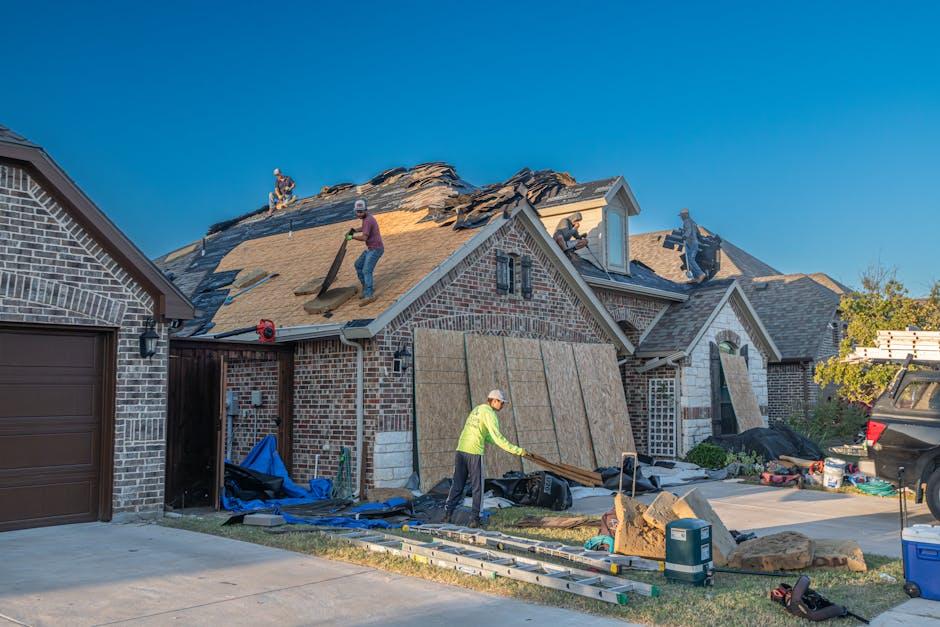
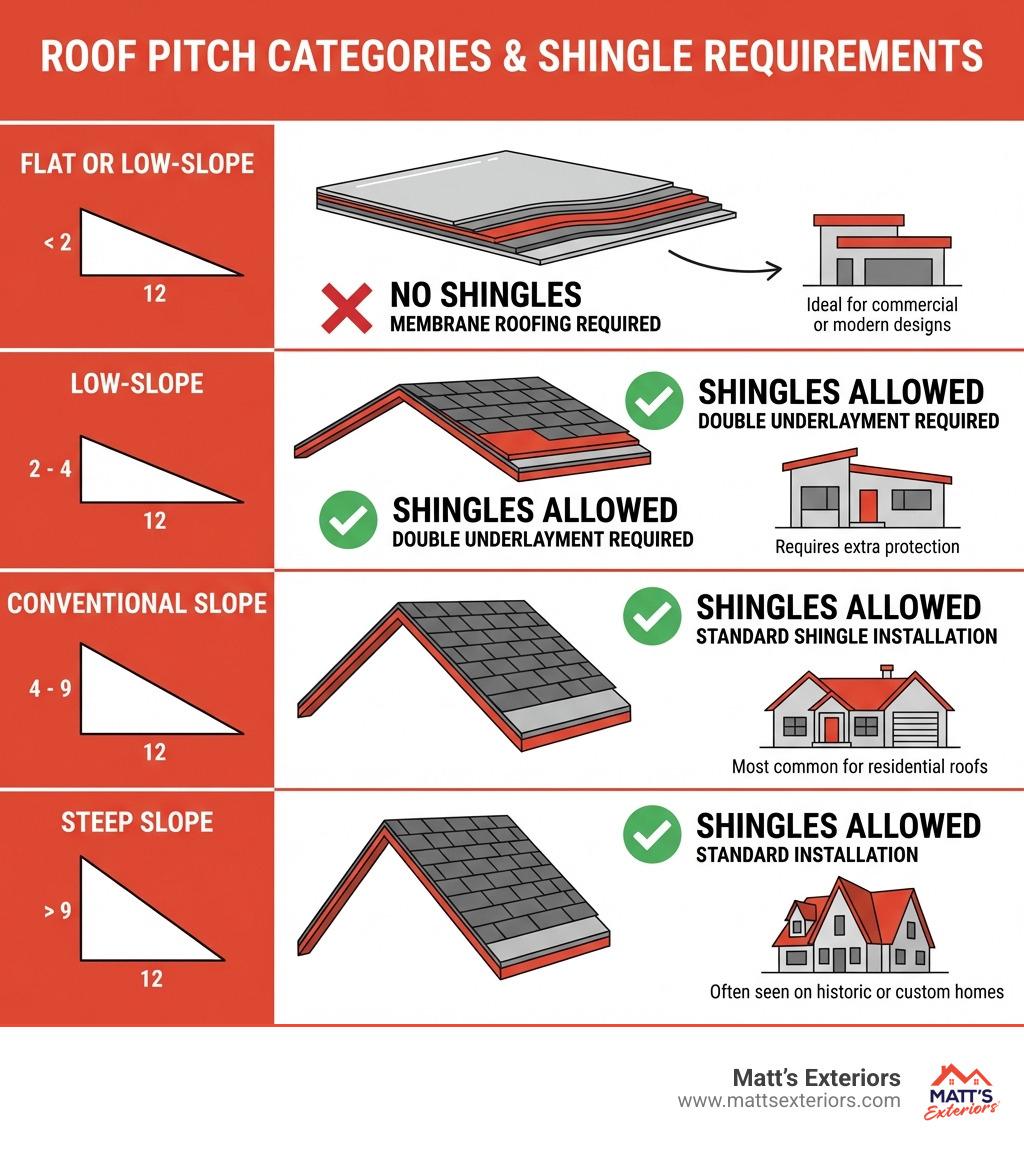
The lowest roof pitch for shingles is 2:12 — meaning the roof rises 2 inches for every 12 inches of horizontal run. Below this slope, asphalt shingles cannot be safely or legally installed.
Here's a quick summary:
Slope Shingles Allowed? Special Requirements Below 2:12 No Use membrane or metal roofing 2:12 to 4:12 Yes Double underlayment required 4:12 and above Yes Standard installation
Asphalt shingles are the most widely used roofing material in North America — and for good reason. They're affordable, durable, and come in dozens of styles. But there's one thing they can't do: hold standing water.
Shingles are designed to shed water, not seal against it. They rely on gravity to move water off the roof quickly. When a roof is too flat, water slows down. It lingers. And that's when problems start.
If you're planning a roof replacement in Metro Atlanta, knowing your roof's pitch before you choose materials could save you thousands of dollars — and a whole lot of headaches down the road.
Before we dive into the nitty-gritty of the lowest roof pitch for shingles, we need to speak the same language. In the roofing world, "pitch" and "slope" are often used interchangeably, though they have slightly different mathematical definitions. For our purposes—and for most building codes in Georgia—we are looking at the ratio of vertical rise to horizontal run.
Think back to high school geometry (we promise this won't be on the final exam!). Roof pitch is expressed as a ratio of how many inches the roof rises vertically for every 12 inches it extends horizontally.
For example, if a roof rises 4 inches for every 12 inches of horizontal distance, it’s a 4:12 pitch.
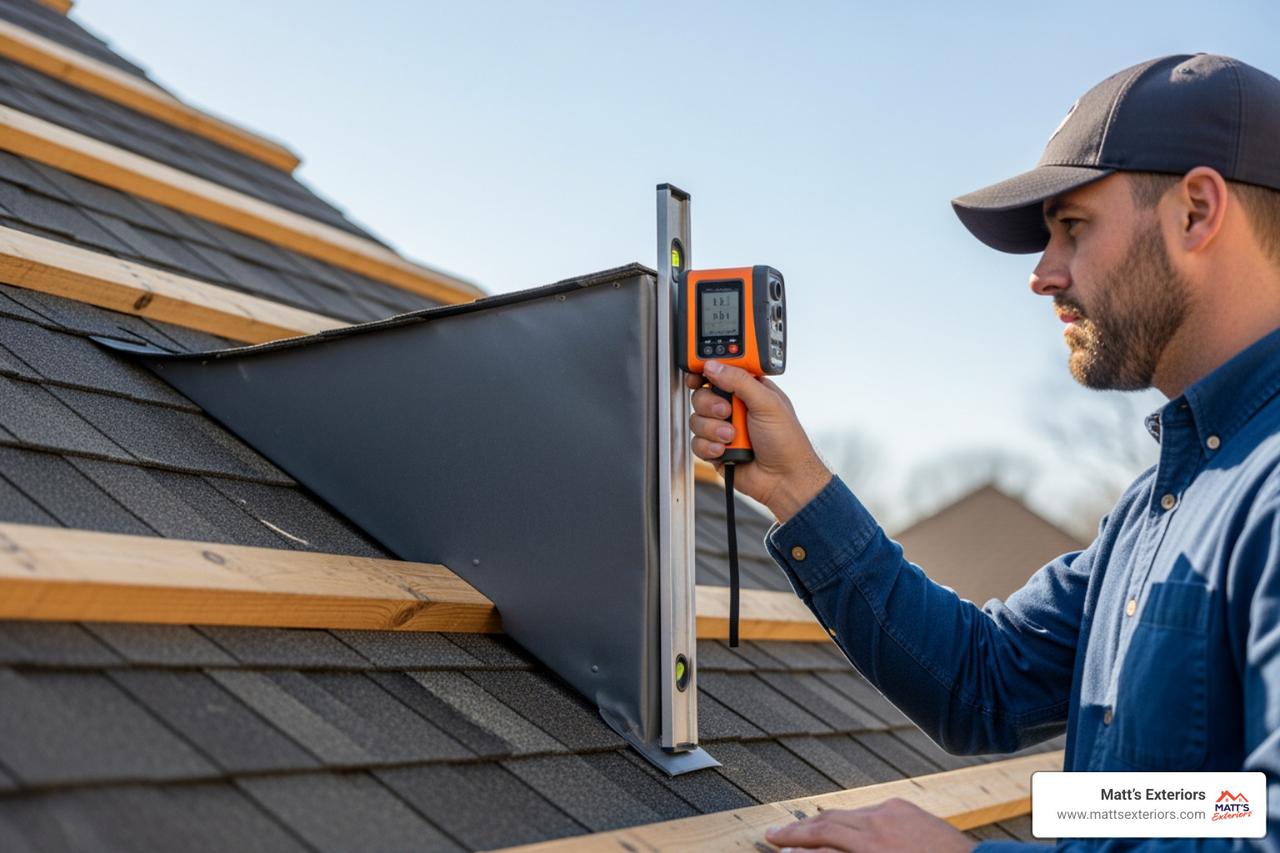
Knowing your pitch is the first step in determining if asphalt shingles are even an option. Here are the most common ways we measure it:
At Matt’s Exteriors, we always recommend having a professional measure the pitch. Walking on a roof—especially a steep one—is dangerous, and an inaccurate measurement could lead to choosing the wrong materials.
So, what is the magic number? The absolute lowest roof pitch for shingles allowed by the International Building Code (IBC) and most major manufacturers like GAF and IKO is 2:12.
Anything below a 2:12 pitch is considered a "flat" or "dead level" roof. Asphalt shingles are water-shedding, not waterproof. At a 2:12 pitch, the roof is only at about a 9.5-degree angle. This is just enough for gravity to pull water over the face of the shingles rather than letting it seep underneath them.
If you go below 2:12, the water moves so slowly that it can actually be blown upward under the shingle tabs by a light breeze. This is called capillary action. Once water gets under the shingles, it hits the nails and the wooden deck, leading to rot.
Furthermore, shingle warranties are very specific. If we were to install shingles on a 1:12 pitch roof in Suwanee, the manufacturer would likely void the warranty the moment they saw the slope. They know their product isn't designed to handle the "ponding" water that occurs on flatter surfaces.
A 4:12 pitch is generally considered the "sweet spot" for asphalt shingles. This is a conventional slope that allows for:
If your roof falls between 2:12 and 4:12, it is classified as a "low-slope" roof. You can still use shingles, but the rules of the game change significantly. Standard installation won't cut it here.
To prevent leaks, we must use double underlayment. This involves overlapping the underlayment by at least 19 inches on every course. This creates a two-ply "safety net" under your shingles. In many cases, we also recommend a self-adhering "ice and water" shield across the entire low-slope area, not just at the eaves.
If you're wondering about the pros and cons of this approach, check out our guide on Rolled Roofing vs Shingles: What's Best for a Low Slope Roof. Low-slope shingle installations require more labor and more materials, which can increase the cost of your project in Peachtree City or Fayetteville.
It might be tempting to try and save money by putting shingles on a flat porch or a 1:12 dormer, but we’re here to tell you: don’t do it. Nature always wins, and gravity is a harsh mistress.
When the pitch is too low, several things happen:
To understand how these layers interact, take a look at our article on What Makes Up Your Roof: A Guide to the Components of a Roof. Each component—from the decking to the shingles—relies on the others to function correctly.
If you ignore these requirements, you're looking at more than just a leak. You're looking at:
Even if you could make it waterproof, shingles on a very low slope often look... well, weird.
If your roof pitch is below 2:12, don't worry. You have excellent options that are actually better suited for flat surfaces than shingles ever could be. At Matt’s Exteriors, we specialize in several Services designed specifically for these challenging areas.
For roofs that are nearly flat (0:12 to 2:12), membrane systems are the gold standard. These are "waterproof" rather than "water-shedding."
If you want a more modern aesthetic, metal is a fantastic alternative.
The short answer is: No. You should never install asphalt shingles on a 1:12 pitch. At this angle, water will pool, shingles will deteriorate, and your roof will leak. Building codes and manufacturer warranties strictly prohibit this. For a 1:12 pitch, you must use a membrane system like TPO or a specialized standing seam metal roof.
Yes, significantly. On a low-slope roof (between 2:12 and 4:12), the "shadow lines" that give architectural shingles their depth are less visible from the ground. Laminated shingles can appear flatter and less distinct. Some homeowners actually prefer the look of a traditional 3-tab shingle on these lower slopes because it creates a cleaner, more uniform line.
While most standard shingles are rated for 2:12, some manufacturers offer hybrid systems. For instance, the GAF TimberSteel™ system is a metal shingle-like product that can sometimes be used on slopes as low as 3:12. However, these are specialized products and require certified installers. For the vast majority of residential projects in Metro Atlanta, the 2:12 rule remains the absolute limit for standard asphalt shingles.
Understanding the lowest roof pitch for shingles is crucial for the long-term health of your home. Whether you're in Sandy Springs, Dunwoody, or McDonough, your roof's job is to protect everything underneath it. Forcing a material like asphalt shingles onto a slope where it doesn't belong is a recipe for disaster.
At Matt’s Exteriors, we’ve seen it all. With over 12,000 projects completed since 2007, we know exactly how to handle the unique rooflines of Metro Atlanta. We don't just "slap on shingles"—we engineer a roofing system that fits your home's specific geometry and your budget.
If you’re worried about your roof’s pitch or you’re ready for a professional Roof Replacement, give us a call. We’ll provide a thorough inspection, measure your pitch with precision, and help you choose the high-quality materials that will keep your family dry for decades to come. Don't slip up on your roof pitch—let the experts at Matt's Exteriors handle it!