
Get Your Instant Quote Now!
Get Started
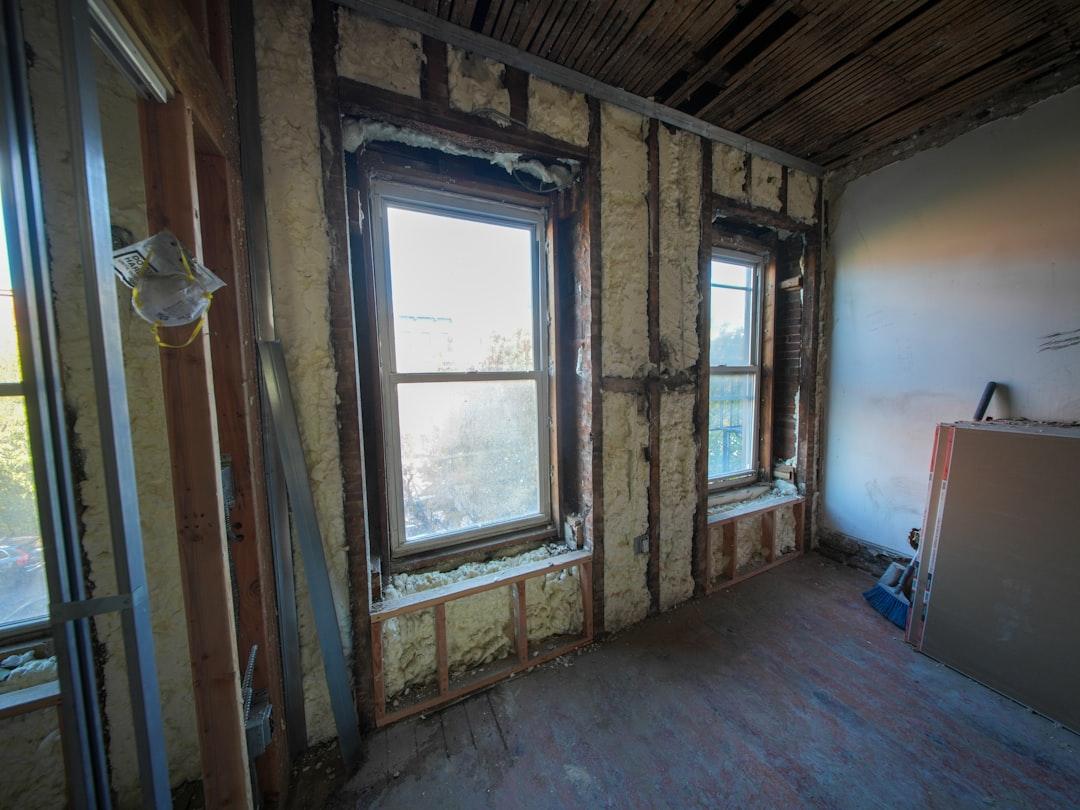
Replacing windows in house is one of the most impactful home improvements you can make. If you're noticing drafts, condensation between panes, or rising energy bills, your windows are likely costing you money and comfort every single day.
Quick Answer: When and Why to Replace Your Windows
As one remodeling expert who's replaced over 75 windows shared on Reddit: "There's no such thing as too much communication" when it comes to home projects. That's especially true for window replacement—a project that touches your home's energy efficiency, curb appeal, and structural integrity all at once.
For busy Metro Atlanta homeowners, old windows aren't just an eyesore. They're a drain on your wallet and your family's comfort. Whether you're dealing with decades-old single-pane units or newer windows with failed seals, understanding the replacement process helps you avoid poor workmanship and make informed decisions about protecting your valuable investment.
This guide walks you through everything you need to know—from recognizing the warning signs to understanding installation methods, selecting the right materials for Georgia's climate, and deciding between DIY and professional installation.
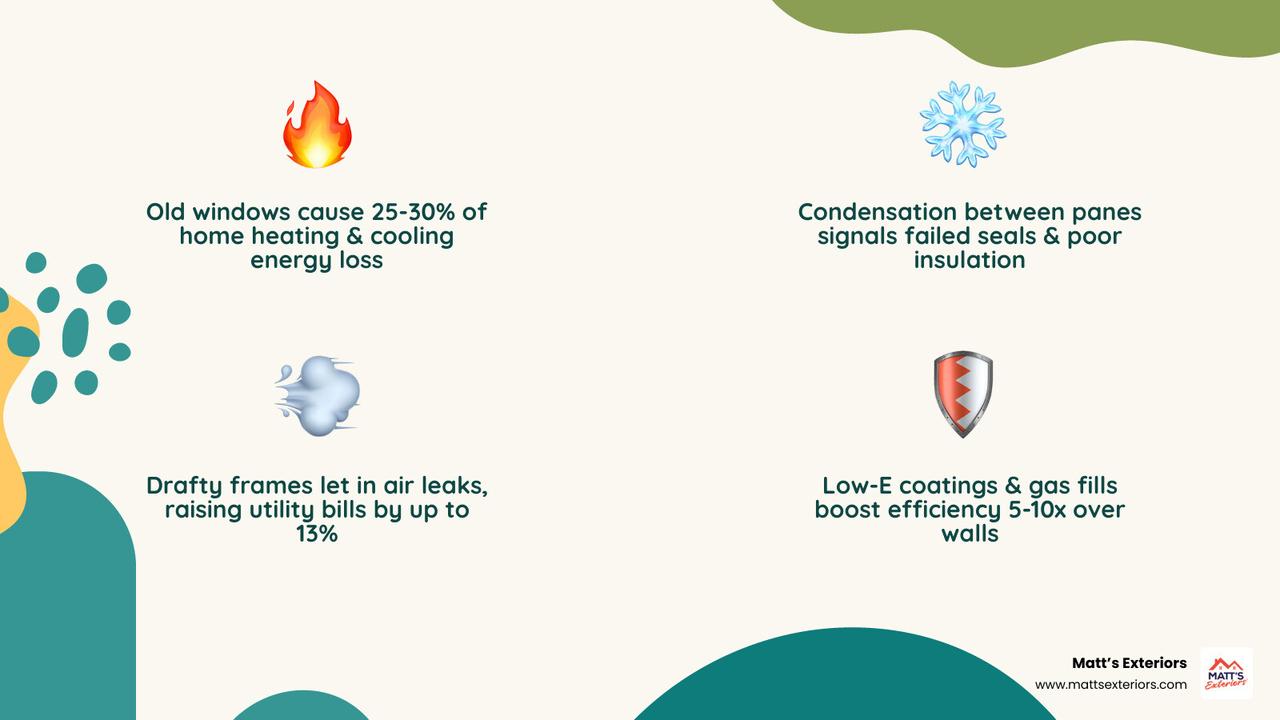
We often don't think about our windows until they stop doing their job. However, windows are more than just glass in a wall; they are complex systems designed to keep the Georgia heat out in July and the warmth in during those chilly January nights in Marietta or Alpharetta.
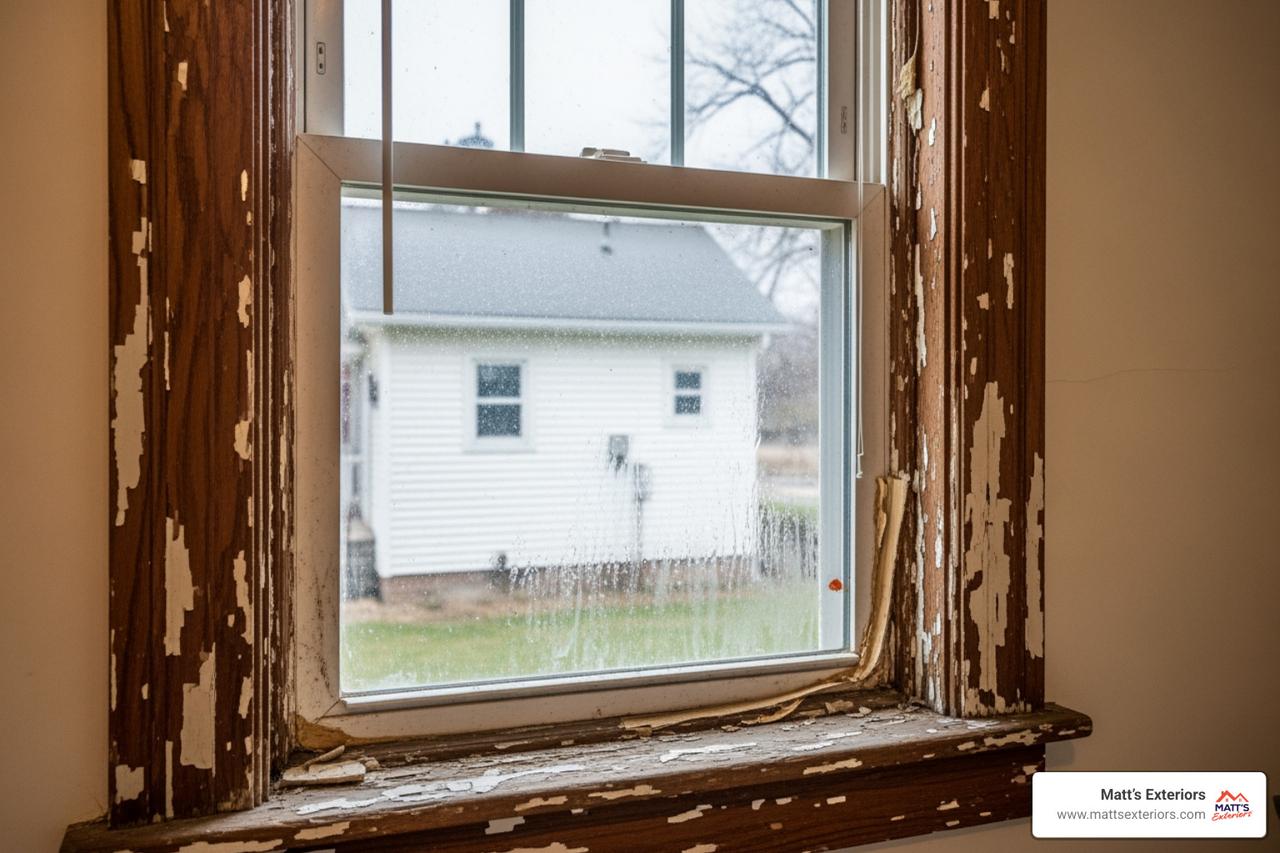
How do you know it's time to pull the trigger? Here are the most common signs:
If you are seeing these signs, more info about window installation services can help you understand the specific solutions available for your home's architecture.
Choosing the right material for replacing windows in house is a balancing act between aesthetics, durability, and your budget. In the humid, variable climate of Georgia, some materials perform better than others.
Material Pros Cons Best For Vinyl Affordable, low maintenance, great insulation. Thicker frames (less glass area), expands/contracts. Budget-conscious homeowners. Fiberglass Extremely durable, mimics wood look, stable in heat. More expensive than vinyl. Long-term durability and aesthetics. Wood Classic beauty, excellent natural insulation. High maintenance (painting/staining), prone to rot. Historic homes in Atlanta.
For many of our projects in Duluth and Dunwoody, we find that vinyl and fiberglass offer the best "bang for your buck" because they don't rot like traditional wood.
When selecting your windows, look for these key features:
While you're upgrading your home's envelope, it's a great time to look at other exterior elements. For example, check out more info about siding services to see how new siding can complement your window project and further boost efficiency.
When it comes to replacing windows in house, the installation is just as important as the product itself. A $2,000 window installed poorly will perform worse than a $500 window installed correctly.
There are two main installation methods:
Proper installation requires high-quality materials like flashing tape to prevent water intrusion and silicone caulk for a flexible, airtight seal. If you're also considering a larger home overhaul, you might want to see more info about roof replacement to ensure your home is protected from top to bottom.
Accuracy is everything. If you're off by even half an inch, you'll face major headaches.
If you're tackling this as a DIY project, you'll need a drill/driver, level, caulk gun, pry bar, and safety gear.
In the Metro Atlanta area, including cities like Peachtree City and Johns Creek, homeowners typically spend between $500 and $2,000 per window installed.
The price varies based on:
While the upfront cost is significant, high-quality windows like those from Andersen can improve a home’s value by at least 15%. Plus, you can save up to $996 per year on other household expenses like car insurance by using comparison tools, which can help offset the investment in your home.
It's possible if you're a skilled DIYer, but it's easy to botch. A poorly installed window can lead to leaks, mold, and voided warranties. Many manufacturers will only honor warranties if the product is installed by a certified professional.
If you need extra cash for your remodeling project, AmONE can help you check for personal loans up to $50,000 to cover the costs of professional installation.
Most modern replacement windows are designed to last 20 to 50 years.
To maximize their lifespan, keep the tracks clean, check the caulking annually, and ensure your gutters are functioning properly to keep excess water away from the window frames.
Replacing windows in house is a significant project, but it’s one that pays dividends in comfort, beauty, and energy savings. From the historic streets of Fayetteville to the growing neighborhoods of Woodstock, we've seen how the right windows can transform a home.
At Matt’s Exteriors, we are a family-owned company that has completed over 12,000 projects since 2007. We pride ourselves on high-quality workmanship, using trusted materials, and providing exceptional customer care across Metro Atlanta—including Smyrna, Kennesaw, Marietta, and beyond. We understand the local climate and what it takes to ensure your windows stand the test of time.
If you're ready to stop the drafts and start saving on your energy bills, schedule a professional window installation consultation with us today. We’ll help you choose the perfect windows for your home and ensure they are installed with the precision your investment deserves.
Note: While you're looking for ways to fund your home improvements, consider checking out Insurify to see if you can save on car insurance, or explore National Debt Relief if you're looking to manage existing debt to free up your home improvement budget.